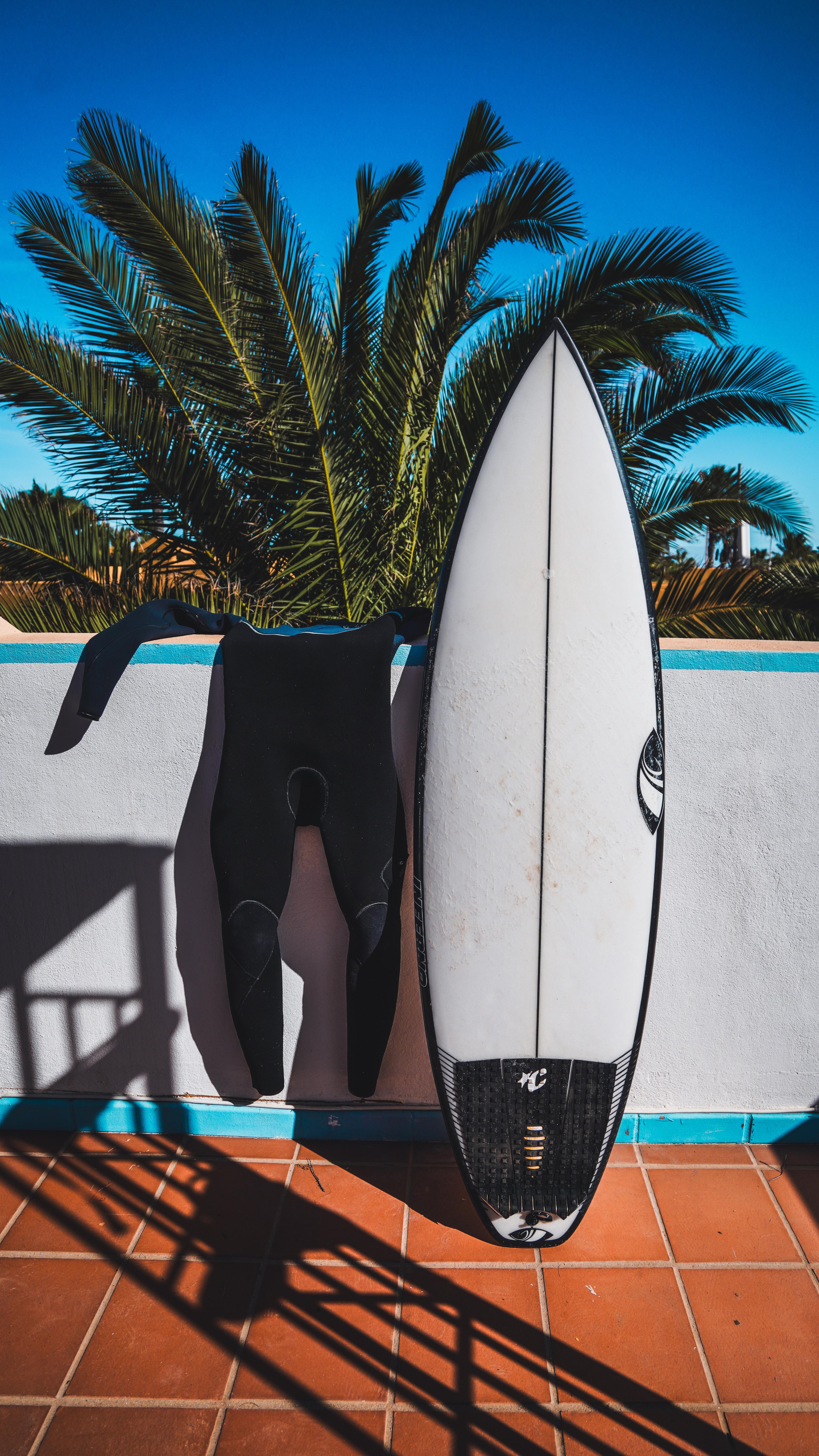
Winter light in Corralejo
Why the north of Fuerteventura feels different once the tourist calendar thins out — and why people stay for months, not weekends.
There is a version of Corralejo that lives on postcards: dunes, turquoise shallows, the ferry sliding toward Lanzarote. That place is real. It is also not the whole story.
From November through March, the light changes. Softer mornings. Longer shadows on the malecón. The trade wind still arrives, but the town breathes differently — fewer day-trippers, more people who know which bakery opens early and which bar still has a free table when the swell is good.
Not a holiday, a stretch of life
The guests who stay a month or a season are not looking for a checklist. They want a kitchen that works, a desk near a window, a walk to the water without negotiating a resort map. They rent a car once, then forget it for days. They learn the rhythm of the harbour.
If you live here, you already know this. If you are considering a longer stay, winter is when the island shows its quieter face — and when a proper home matters more than a hotel room with a view of the pool.
What the north gives you
North Fuerteventura is not polished resort geometry. Corralejo has edges: working harbour, surf shops, grocery runs, the road out toward Majanicho when you want empty coast. Lobos sits offshore like a reminder that the Atlantic is the main character.
You do not need a guidebook to feel it. You need time — and a place that feels like yours for a while.